
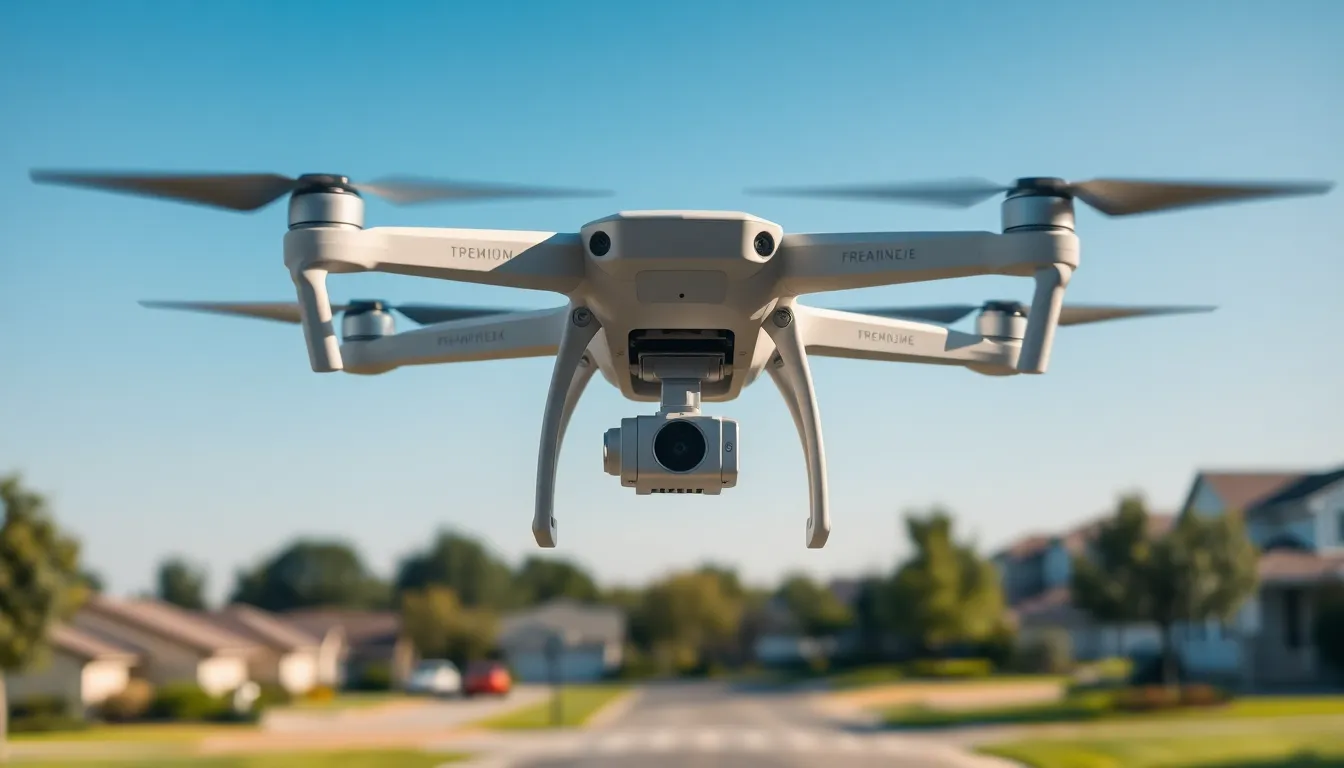
Finding the best drones in 2025 doesn’t have to feel overwhelming. Whether someone wants to capture stunning aerial footage or simply enjoy flying on weekends, there’s a drone out there that fits both their budget and experience level. The market has expanded dramatically, with options ranging from affordable beginner models under $100 to professional-grade machines that rival Hollywood equipment. This guide breaks down the top choices across different categories, helping buyers make informed decisions without wading through endless spec sheets. From first-time flyers to seasoned pilots chasing cinematic shots, the right drone can transform how people see the world from above.
Table of Contents
ToggleKey Takeaways
- The best drones in 2025 range from budget-friendly beginner models under $100 to professional-grade machines exceeding $16,000, fitting every skill level and use case.
- Beginners should look for drones with automatic takeoff, GPS stabilization, and return-to-home features to build flying confidence safely.
- For photography and videography, prioritize sensor size over megapixel count—a 1-inch sensor delivers better results than higher-resolution smaller sensors.
- Drones weighing under 250 grams, like the DJI Mini 4K, don’t require FAA registration in the United States, making them ideal for casual flyers.
- Always budget for 2–3 extra batteries since real-world flight times typically run 15–20% less than advertised specs.
- Check Remote ID compliance and local regulations before flying, especially near airports, parks, or crowded areas.
Top Picks for Beginners
Starting out with drones should be fun, not frustrating. The best drones for beginners combine ease of use with enough features to keep things interesting as skills develop.
The DJI Mini 4K stands out as an excellent entry point. It weighs under 250 grams, which means no FAA registration required in the United States. The camera captures sharp 4K video, and the drone basically flies itself thanks to GPS stabilization. Expect around 30 minutes of flight time per battery charge.
For those on a tighter budget, the Holy Stone HS720E delivers solid performance at roughly half the price of DJI options. It features a 4K camera, brushless motors for smoother flight, and a follow-me mode that tracks the pilot automatically. Battery life sits around 23 minutes.
The Ryze Tello deserves mention for anyone spending under $100. This tiny drone weighs just 80 grams and connects to smartphones for control. It won’t win any photography awards, but it teaches flying fundamentals without the risk of destroying an expensive piece of equipment.
Beginner-friendly drones typically include features like:
- Automatic takeoff and landing
- Altitude hold for stable hovering
- Return-to-home function if signal drops
- Headless mode for easier orientation
- Propeller guards for crash protection
These safety features let new pilots focus on learning basic maneuvers rather than worrying about losing their drone in a tree. Most beginners develop comfortable flying skills within a few weeks of regular practice.
Best Drones for Photography and Videography
Content creators and professional photographers need drones that prioritize image quality above all else. The best drones for aerial photography in 2025 pack impressive sensors and gimbal systems into surprisingly compact packages.
The DJI Air 3S leads this category for most users. Its dual-camera system includes a 1-inch CMOS sensor that captures 50MP photos and 4K/120fps video. The three-axis gimbal keeps footage smooth even in moderate winds. Flight time reaches 46 minutes, which gives photographers plenty of opportunities to nail the perfect shot.
Professionals often reach for the DJI Mavic 3 Pro. This drone features a Hasselblad camera with a 4/3 CMOS sensor, the same sensor size found in many mirrorless cameras. It shoots 5.1K video at 50fps and offers adjustable aperture from f/2.8 to f/11. The 43-minute flight time and omnidirectional obstacle sensing make it ideal for complex shoots.
The Autel Evo II Pro provides a strong alternative to DJI’s dominance. It features a 1-inch sensor, 6K video recording, and adjustable aperture. Some photographers prefer Autel’s color science for landscape work.
Key specs that matter for aerial photography include:
- Sensor size (larger sensors capture more light and detail)
- Gimbal stability (three-axis minimum for smooth video)
- RAW photo capability for editing flexibility
- Log color profiles for professional color grading
- Transmission range for shooting distant subjects
The best drones for videography also handle low-light conditions well. Modern sensors perform admirably at higher ISO settings, opening up possibilities for golden hour and even nighttime shooting.
High-Performance Drones for Experienced Pilots
Experienced pilots often want speed, agility, and manual control that consumer drones don’t offer. The best drones for advanced users push performance limits and reward skilled flying.
FPV (First Person View) racing drones represent the peak of hands-on piloting. The DJI Avata 2 bridges the gap between consumer accessibility and FPV excitement. It reaches speeds of 60 mph in manual mode and includes motion controller options for intuitive flight. The built-in propeller guards survive crashes that would destroy traditional FPV quads.
Serious FPV pilots build custom rigs or fly ready-to-fly options like the iFlight Nazgul5 V3. These drones hit 90+ mph and perform aggressive acrobatic maneuvers. They require separate goggles, controllers, and batteries, plus significant practice time on simulators before attempting real flights.
For cinematic long-range work, the DJI Inspire 3 serves professional film crews. It features an 8K full-frame sensor, dual operator capability, and swappable lens options. The price tag exceeds $16,000, but major productions consider it essential equipment.
Enterprise users might consider the DJI Matrice 350 RTK for industrial applications. This drone carries heavy payloads, operates in harsh weather, and integrates with thermal and multispectral cameras for inspection work.
Advanced pilots should consider:
- Manual/acro flight modes for full control
- Customizable rates and PID tuning
- Transmission system latency for responsive FPV
- Durability and parts availability for repairs
- Payload capacity for specialized cameras
The learning curve for high-performance drones is steep. Most experienced pilots recommend logging 20+ hours in simulators before flying aggressive FPV maneuvers.
Key Features to Consider Before Buying
Choosing the best drones requires matching features to intended use cases. Several factors deserve careful attention before making a purchase.
Flight Time and Battery Life
Advertised flight times rarely match real-world performance. Expect 15-20% less than manufacturer claims when flying with wind or using active camera features. Budget for at least two or three batteries to extend shooting sessions.
Camera Quality
Sensor size matters more than megapixel count. A 20MP 1-inch sensor outperforms a 48MP 1/2-inch sensor in most conditions. Video shooters should prioritize frame rate options and bitrate over resolution alone.
Range and Transmission
Legal restrictions limit most recreational flights to visual line of sight anyway. But, strong transmission systems prevent signal dropouts and provide cleaner video feeds. Look for OcuSync or O4 technology in DJI products, or similar digital transmission in competitors.
Obstacle Avoidance
Multidirectional sensors prevent costly crashes. The best drones feature sensors on all sides, including above and below. Budget models often only include front-facing sensors, or none at all.
Portability
Folding designs transformed the drone market. A drone that fits in a backpack gets used more often than one requiring a dedicated carrying case. Weight also matters for travel and registration requirements.
Legal Considerations
Drones over 250 grams require FAA registration in the United States. Remote ID requirements took effect in 2024, and most new drones include built-in compliance. Check local regulations before flying in parks, near airports, or over crowds.
The best drones balance these features against price. Spending more doesn’t always mean better results, it means more specialized capabilities that may go unused.


