
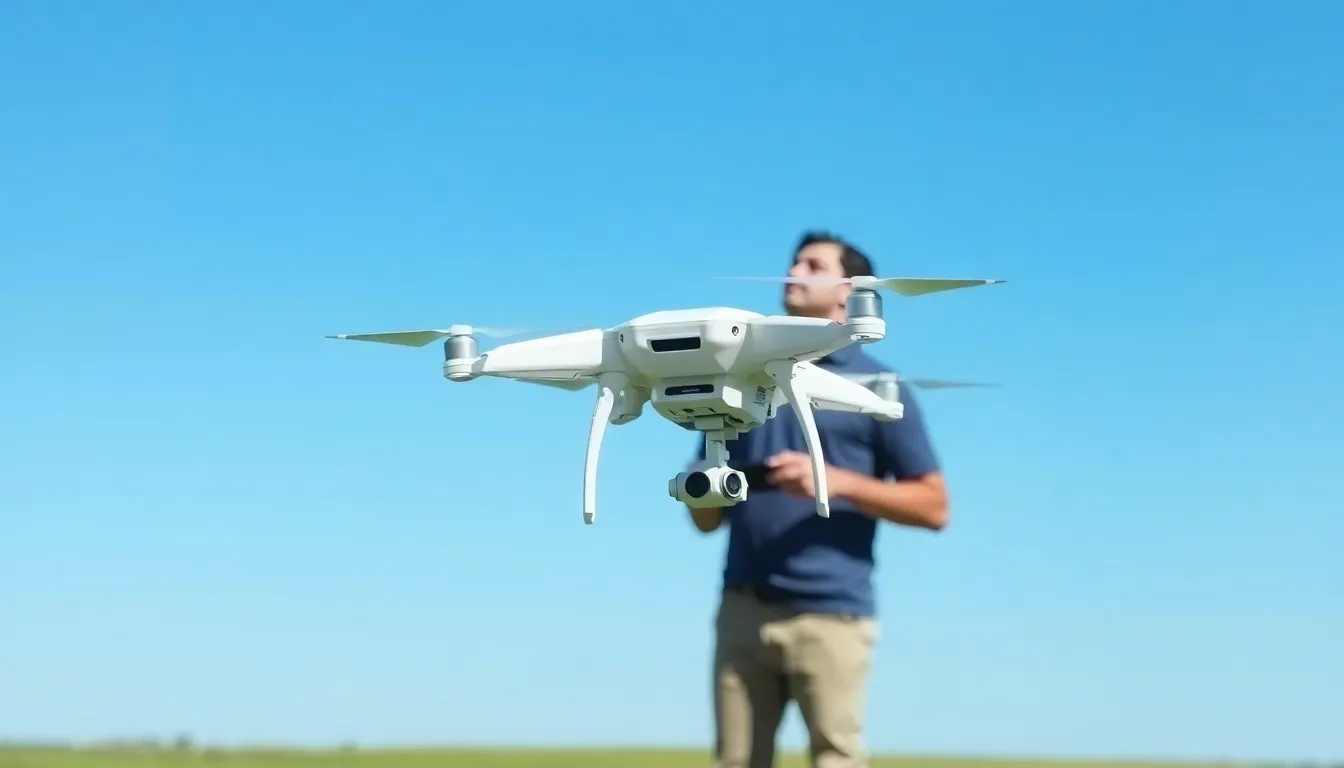
This drones guide covers everything a beginner or enthusiast needs to know before taking flight. Drones have moved from military tech to mainstream hobby in just a few years. Today, they capture stunning aerial footage, deliver packages, and even help farmers monitor crops.
But where do you start? The options can feel overwhelming, camera drones, racing drones, toy drones, and professional-grade machines all compete for attention. Understanding how drones work, what features matter, and how to fly legally makes all the difference between a rewarding hobby and an expensive mistake.
This guide breaks down drone basics, explores different types and uses, explains key buying considerations, and covers the rules every pilot needs to follow.
Table of Contents
ToggleKey Takeaways
- This drones guide covers essential knowledge for beginners, from understanding drone components to choosing the right type for your needs.
- Camera drones, racing drones, toy drones, and commercial drones each serve different purposes—match your choice to your intended use.
- In the U.S., drones over 0.55 pounds require FAA registration, and recreational pilots must pass the free TRUST safety test before flying.
- Key buying factors include camera quality, flight time, range, portability, and obstacle avoidance sensors based on your skill level and goals.
- New pilots should start in open areas, use beginner mode, and practice basic maneuvers like hovering and simple flight patterns before attempting advanced moves.
- Drone simulators offer a risk-free way to build flying skills before taking your real drone into the air.
What Is a Drone and How Does It Work
A drone is an unmanned aerial vehicle (UAV) controlled remotely or programmed to fly autonomously. Most consumer drones use four rotors, hence the popular term “quadcopter”, though designs with six or eight rotors also exist.
The basic components of a drone include:
- Frame: The body that holds everything together
- Motors and propellers: Generate lift and movement
- Flight controller: The brain that processes commands and stabilizes flight
- Battery: Powers the entire system
- Transmitter and receiver: Enable communication between pilot and drone
- Sensors: GPS, accelerometers, and gyroscopes help maintain position and orientation
Here’s how it works: when a pilot moves the control stick, the transmitter sends signals to the drone’s receiver. The flight controller interprets these signals and adjusts motor speeds accordingly. Speed up the front motors, and the drone tilts backward. Increase power to motors on one side, and it rotates.
Modern drones pack impressive technology into small packages. GPS enables features like return-to-home, where a drone automatically flies back to its launch point. Obstacle avoidance sensors detect objects and prevent collisions. Gimbal-mounted cameras stay level even during aggressive maneuvers.
Flight times typically range from 15 to 45 minutes depending on battery capacity and drone weight. Most pilots carry extra batteries to extend their flying sessions.
Types of Drones and Their Common Uses
Different drones serve different purposes. Choosing the right type depends on what someone plans to do with it.
Camera Drones
Camera drones dominate the consumer market. They prioritize stable flight and high-quality video capture. Models like the DJI Mini series and Autel EVO Lite appeal to photographers and videographers who want aerial perspectives. These drones typically feature 4K cameras, 3-axis gimbals, and intelligent flight modes that automate complex shots.
Racing Drones
FPV (first-person view) racing drones prioritize speed and agility over everything else. Pilots wear goggles that display a live video feed from the drone’s camera, creating an immersive flying experience. Racing drones can exceed 100 mph but require significant skill to operate. They’re stripped-down machines built for performance.
Toy Drones
Toy drones cost under $100 and work well for beginners learning basic controls. They’re durable, lightweight, and often safe enough to fly indoors. Don’t expect great cameras or long flight times, but they offer a low-risk way to practice.
Professional and Commercial Drones
Commercial drones handle serious work. Real estate agents use them for property tours. Inspectors examine cell towers and wind turbines without climbing. Farmers survey crops and identify problem areas. Search and rescue teams locate missing persons. These drones often cost several thousand dollars and require FAA certification for commercial operation.
Key Features to Consider When Buying a Drone
Not every drone feature matters equally. Smart buyers focus on specs that match their actual needs.
Camera Quality
For aerial photography or videography, camera specs matter most. Look for 4K resolution at minimum, larger sensor sizes for better low-light performance, and a mechanical gimbal for smooth footage. A 1-inch sensor captures far better images than a tiny 1/2.3-inch sensor.
Flight Time
Battery life directly affects how much flying happens in a session. Budget drones often manage just 10-15 minutes. Mid-range options hit 25-30 minutes. Premium drones push past 40 minutes. Always factor in extra battery costs.
Range
Transmission range determines how far a drone can fly while maintaining a video link. Entry-level drones might lose signal at 500 meters. High-end consumer drones maintain connections beyond 10 kilometers, though regulations typically prohibit flying that far.
Size and Portability
Foldable drones pack into small bags and travel easily. Larger drones perform better in wind but require dedicated cases. Consider where and how often the drone needs to be transported.
Obstacle Avoidance
Sensors that detect and avoid obstacles prevent crashes. Basic drones have no sensors. Better models include forward and downward sensors. Premium drones feature omnidirectional sensing that protects from all angles.
Intelligent Flight Modes
Features like ActiveTrack (following subjects), Waypoints (pre-programmed flight paths), and QuickShots (automated cinematic moves) make capturing professional content easier. Beginners especially benefit from these automated features.
Drone Laws and Safety Guidelines
Flying drones comes with legal responsibilities. Ignoring rules can result in fines, confiscated equipment, or worse.
FAA Registration
In the United States, any drone weighing over 0.55 pounds (250 grams) requires FAA registration. The process costs $5 and takes about five minutes online. Registration numbers must be displayed on the drone.
Recreational Flying Rules (TRUST)
Recreational pilots must pass The Recreational UAS Safety Test (TRUST) before flying. This free online test covers basic safety and airspace rules. Key requirements include:
- Flying below 400 feet in uncontrolled airspace
- Keeping the drone within visual line of sight
- Never flying near other aircraft or over people
- Avoiding restricted airspace (airports, stadiums, military bases)
- Never flying while impaired
Part 107 for Commercial Use
Anyone making money from drone footage needs a Part 107 Remote Pilot Certificate. This requires passing a knowledge test at an FAA-approved testing center. The exam covers airspace, weather, regulations, and flight operations.
Local Regulations
State and local laws add extra restrictions. Some cities ban drones in parks. Private property owners can prohibit flying over their land. Always research local rules before launching.
Safety Best Practices
- Check weather conditions before every flight
- Inspect the drone for damage or loose parts
- Calibrate the compass when flying in new locations
- Maintain a safe distance from people, animals, and structures
- Have a plan for emergencies and low battery situations
Essential Tips for Flying Your First Drone
First flights feel exciting and nerve-wracking at the same time. These tips help new pilots build confidence quickly.
Start in an Open Area
Find a large, open space away from trees, buildings, and power lines. Empty sports fields work great. The fewer obstacles around, the less likely something goes wrong during early practice.
Master the Basics First
Before attempting fancy maneuvers, get comfortable with basic controls:
- Practice smooth takeoffs and landings
- Hover in place at a consistent altitude
- Fly simple patterns, squares, circles, figure-eights
- Learn to orient the drone when it’s facing toward you (controls feel reversed)
Use Beginner Mode
Most drones include a beginner or training mode that limits speed and altitude. Use it. There’s no shame in keeping the training wheels on until muscle memory develops.
Check Everything Before Launch
Run through a pre-flight checklist every time:
- Battery fully charged (drone and controller)
- Propellers secure and undamaged
- Memory card inserted with available space
- GPS signal acquired
- No warnings in the app
Watch the Battery
New pilots often lose track of battery levels. Set return-to-home at 30% for early flights. Landing with plenty of power remaining beats a forced landing in an inconvenient spot.
Learn from Simulators
Drone simulators let pilots practice without risking real equipment. DJI offers a free simulator, and options like Liftoff and Velocidrone provide realistic FPV training. Time spent in simulators translates directly to real-world skill.


