
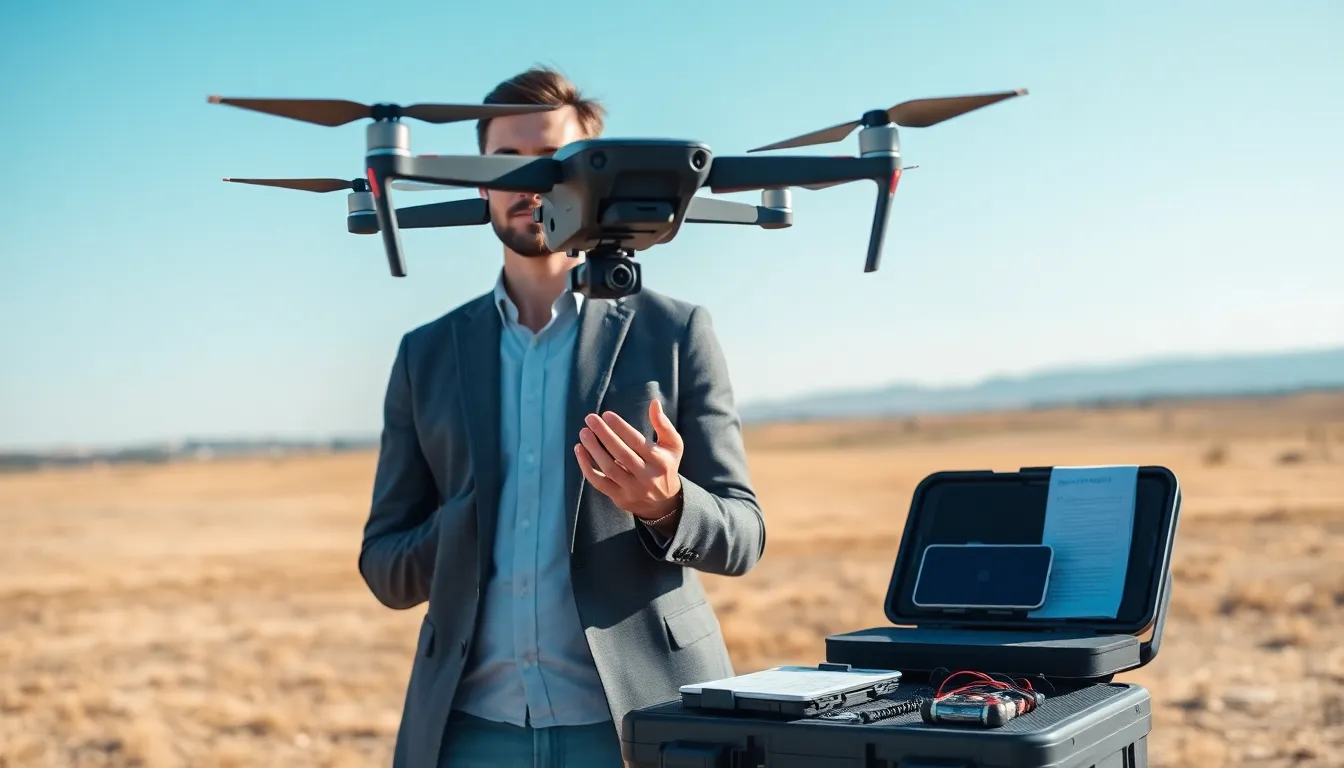
Drone techniques separate casual flyers from skilled pilots. Whether someone flies for fun, captures professional footage, or inspects structures, the right skills make all the difference. Modern drones pack incredible technology, but that technology means nothing without proper technique.
This guide covers the essential drone techniques every pilot needs. From basic flight maneuvers to cinematic camera work, these skills build a strong foundation. Pilots who master these techniques fly safer, capture better footage, and get more value from their equipment.
Table of Contents
ToggleKey Takeaways
- Mastering basic drone techniques like hovering, geometric patterns, and smooth altitude changes builds the foundation for advanced flying.
- Cinematic drone techniques such as reveal shots, orbits, and tracking shots transform ordinary footage into professional-quality content.
- Practice flying in manual or sport mode in open areas to develop greater control and creative freedom.
- Always perform pre-flight checks, maintain visual line of sight, and know emergency procedures to fly safely and legally.
- Adapt your drone techniques for challenging conditions like wind, cold, and high altitude to protect your equipment and improve results.
Basic Flight Maneuvers for Beginners
Every skilled drone pilot started with the basics. These fundamental drone techniques form the building blocks for everything else.
Hovering
Hovering sounds simple, but it’s the foundation of all drone techniques. A pilot should practice holding the drone steady at various heights. Start at eye level, then move higher. The goal is rock-solid stability without constant stick adjustments.
Most modern drones have GPS assist, but pilots shouldn’t rely on it completely. Practice hovering in ATTI mode (if available) to build real stick skills. This forces manual control and develops muscle memory faster.
Square and Circle Patterns
Flying in geometric patterns teaches precision. Start by flying a square pattern at a consistent altitude. Move forward, slide right, move backward, slide left. Repeat until the movements feel natural.
Circle patterns come next. Fly the drone in a perfect circle while keeping the nose pointed in the direction of travel. Then try it with the camera facing the center of the circle. These drone techniques build the coordination needed for complex shots.
Altitude Changes
Smooth altitude changes require practice. New pilots often climb and descend too quickly. The key is gradual throttle input. Practice rising 50 feet, pausing, then descending at the same speed. Consistent altitude control prevents jerky footage and improves overall flight quality.
Cinematic Camera Movements
Great drone footage requires more than flying skills. These camera-specific drone techniques turn ordinary clips into professional content.
The Reveal Shot
The reveal shot creates drama. Start with the drone low behind an obstacle, a hill, building, or tree line. Fly forward while rising slowly. The subject gradually appears in frame. This technique works for landscapes, architecture, and events.
Timing matters here. Rise too fast and the reveal feels rushed. Too slow and viewers lose interest. Practice finding that sweet spot where anticipation builds naturally.
Orbit Shots
Orbit shots circle around a subject while keeping it centered. Many drones have automated orbit modes, but manual orbits offer more control. The pilot flies sideways while rotating the camera toward the subject.
This drone technique requires coordinating two stick movements simultaneously. Start with wide orbits around large subjects. As skills improve, tighten the radius and try faster speeds.
Tracking Shots
Tracking shots follow a moving subject. The challenge is matching the subject’s speed while maintaining consistent framing. Lead the subject slightly in the frame, don’t center them exactly.
For vehicles, maintain safe distance and altitude. For people, slower speeds work better. These drone techniques require anticipating where the subject will go, not just reacting to where they are.
Advanced Flying Techniques
Once pilots master the basics, these advanced drone techniques open new possibilities.
Flying in Manual or Sport Mode
Sport mode removes some flight restrictions and increases speed. Manual mode (on compatible drones) removes all stabilization assistance. Both require greater skill but offer more creative freedom.
Start sport mode practice in open areas with no obstacles. The increased speed and reduced braking distance catch many pilots off guard. Build up gradually before attempting complex maneuvers.
Low-Altitude Flying
Flying close to the ground creates dramatic footage. But it’s also risky. Obstacles appear faster, and GPS can become unreliable near surfaces.
Effective low-altitude drone techniques require constant attention to terrain changes. Pilots should scout the area on foot first. Look for hidden obstacles like wires, poles, or uneven ground. Fly slowly until familiar with the area.
Quick Direction Changes
Advanced pilots can change direction rapidly without losing smooth footage. This requires anticipating the turn and starting camera movements before the drone changes course.
The technique involves banking into turns while adjusting gimbal pitch. It takes practice, but the results look professional. Start with gentle transitions and increase speed as coordination improves.
Flying in Challenging Conditions
Wind, cold, and altitude all affect drone performance. Experienced pilots adjust their drone techniques for conditions. In wind, they angle into gusts during critical shots. In cold weather, they warm batteries and reduce flight times. At high altitudes, they account for reduced lift.
Safety and Control Best Practices
Good drone techniques include safety habits. These practices protect equipment, people, and a pilot’s ability to keep flying legally.
Pre-Flight Checks
Every flight should start with a checklist. Check battery levels on both the drone and controller. Inspect propellers for damage. Verify GPS lock and compass calibration. Test camera gimbal movement.
These checks take two minutes but prevent crashes. Pilots who skip them eventually regret it.
Maintaining Visual Line of Sight
Most regulations require pilots to see their drone at all times. This isn’t just legal, it’s practical. Pilots who lose sight of their drone often lose the drone entirely.
Keep orientation in mind. Many pilots struggle when the drone faces them because controls feel reversed. Practice flying toward yourself until it becomes natural. This drone technique prevents many crashes.
Emergency Procedures
Know what to do when things go wrong. If the drone loses signal, most will return to home automatically. But pilots should know how to regain control manually.
Practice emergency landings in safe areas. Know how to stop motors in a true emergency (usually holding both sticks down and inward). Having these drone techniques ready prevents panic when problems occur.
Respecting No-Fly Zones
Flight restriction apps show where drones can’t legally fly. Airports, stadiums, government buildings, and other sensitive areas have restrictions. Check these before every flight in a new location.
Good pilots follow these rules even when enforcement seems unlikely. It protects the hobby for everyone.


