
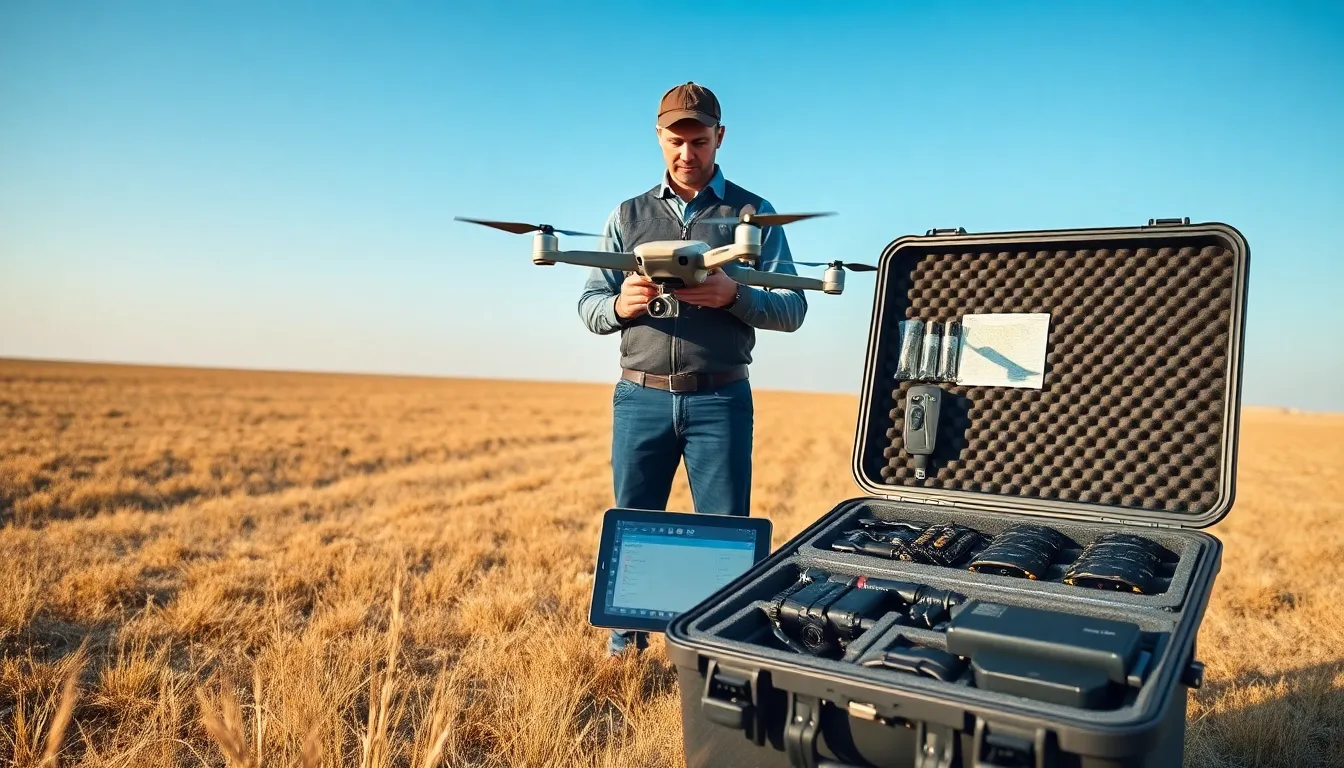
Drone tools make the difference between a frustrating flight and a successful mission. Whether someone flies for fun, captures aerial photos, or inspects infrastructure, the right equipment matters. New pilots often focus on the drone itself and overlook the accessories that keep it airborne and functional. Experienced operators know better. They stock their bags with flight planning apps, spare batteries, repair kits, and protective cases.
This guide covers the essential drone tools every pilot should own. From software that plans safe routes to gear that protects expensive equipment, these items help pilots fly smarter and longer. The list includes tools for preparation, maintenance, power management, camera optimization, and transport. Each category addresses a specific need that pilots encounter in the field.
Table of Contents
ToggleKey Takeaways
- Essential drone tools include flight planning apps, spare batteries, repair kits, and protective cases to ensure successful missions.
- Flight planning software like DJI Fly, AirMap, and B4UFLY helps pilots check airspace restrictions and weather conditions before takeoff.
- A basic repair kit with precision screwdrivers, spare propellers, and compressed air extends your drone’s lifespan and keeps you flying.
- Carry at least three to four batteries and a multi-battery charger to maximize productive flight time in the field.
- ND filters, gimbal guards, and fast memory cards protect and enhance your drone’s camera system for professional-quality footage.
- Hard cases or padded backpacks organize your drone tools and protect expensive equipment during transport.
Flight Planning and Navigation Software
Good drone tools start before takeoff. Flight planning software helps pilots map routes, check airspace restrictions, and monitor weather conditions. Apps like DJI Fly, Litchi, and AirMap provide real-time data that keeps flights legal and safe.
Airspace awareness is critical. In the United States, the FAA requires recreational pilots to follow specific rules near airports and controlled zones. Apps like B4UFLY show exactly where restrictions apply. Commercial pilots use platforms like Aloft (formerly Kittyhawk) to request LAANC authorization directly from their phones.
Weather apps also belong in every pilot’s toolkit. Wind speed, precipitation, and visibility affect flight performance. UAV Forecast combines weather data with drone-specific metrics like GPS satellite availability and magnetic interference warnings. This information prevents crashes and wasted trips to flying locations.
Some pilots prefer desktop software for complex missions. Pix4D and DroneDeploy allow users to create automated flight paths for mapping, surveying, and inspection work. These programs sync with the drone’s controller and execute precise patterns that would be impossible to fly manually.
Flight logging apps round out this category. They track total flight time, battery cycles, and maintenance intervals. This data helps pilots schedule inspections and prove compliance during audits.
Repair and Maintenance Tools
Drones break. Propellers crack, motors collect debris, and screws loosen from vibration. A basic repair kit saves trips back to the shop and keeps pilots flying.
Every drone toolkit needs precision screwdrivers. Most drones use small Phillips and hex screws that standard household tools can’t handle. A set with interchangeable bits covers most repairs. Pilots should match their kit to their specific drone model since screw sizes vary between manufacturers.
Propeller removal tools make blade changes faster and safer. Some drones require special wrenches to release prop locks. Carrying spare propellers is obvious, but many pilots forget the tools needed to install them.
Compressed air cans clean dust and debris from motors, sensors, and camera lenses. Sand and dirt cause premature wear on moving parts. A quick blast after each flight extends component life significantly.
Isopropyl alcohol and microfiber cloths handle lens cleaning without scratches. Camera sensors attract fingerprints and smudges that ruin footage. Pilots should clean lenses before every flight, not after they notice spots in their video.
Contact cleaner spray addresses corroded battery terminals and gimbal connectors. These electrical issues cause intermittent failures that are difficult to diagnose. A light spray restores conductivity and prevents future problems.
For serious repairs, a soldering iron and heat shrink tubing allow pilots to fix broken wires and replace damaged connectors. This level of repair requires practice but saves money on professional service.
Batteries and Charging Equipment
Batteries limit flight time more than any other factor. Smart pilots carry multiple batteries and the equipment to charge them quickly.
Most consumer drones fly for 20 to 40 minutes on a single charge. Professional work requires three to four batteries minimum. Each battery adds weight to the kit but doubles or triples productive flight time. Pilots should buy batteries from the drone manufacturer or verified third-party suppliers to avoid counterfeit cells.
Multi-battery chargers reduce downtime between flights. Hubs that charge three or four batteries simultaneously are essential drone tools for anyone flying more than casually. Some chargers prioritize batteries by remaining charge level, filling partially depleted packs first.
Car chargers and portable power stations enable field charging without access to wall outlets. A 500-watt power station can fully charge several drone batteries from solar panels or vehicle power. This capability extends missions in remote locations.
Battery health monitoring matters too. Most drone apps display cycle counts, voltage levels, and cell balance information. Pilots should retire batteries that show degraded capacity or unbalanced cells. Damaged batteries pose fire risks and can fail mid-flight.
LiPo-safe bags provide storage and transport protection. These fire-resistant pouches contain flames if a battery malfunctions. Airlines often require LiPo bags for carry-on drone batteries.
Temperature affects battery performance dramatically. Cold weather reduces capacity by 20 percent or more. Battery warmers and insulated cases help maintain optimal temperatures during winter operations.
Camera and Gimbal Accessories
The camera system separates aerial photography from simple flying. Proper drone tools protect and enhance this expensive equipment.
ND (neutral density) filters are essential for video work. They reduce light entering the lens and allow slower shutter speeds for cinematic motion blur. A set of ND4, ND8, ND16, and ND32 filters covers most lighting conditions. Polarizing filters cut glare from water and glass surfaces.
Lens protectors guard against scratches during transport and minor impacts. Unlike filters, these clear covers stay on during storage. They’re cheap insurance for camera modules that cost hundreds to replace.
Gimbal guards and locks prevent damage from vibration and sudden movements. The gimbal is the most fragile part of most drones. A bump during transport can bend the motors or crack the mounting plate. Protective covers and transport locks hold the gimbal secure.
External monitors improve framing and focus accuracy. The small screens on drone controllers make precise composition difficult. Tablet mounts or dedicated monitors with sunshades give pilots better views of their footage.
Memory cards require attention too. Fast UHS-I or UHS-II cards prevent recording errors during 4K video capture. Pilots should carry multiple cards and format them before each session. A card reader allows quick backup to laptops or tablets in the field.
For thermal and multispectral work, specialized calibration targets ensure accurate data. These drone tools vary by camera type but share the goal of consistent, reliable imagery.
Carrying Cases and Field Gear
All these drone tools need organization and protection. The right case makes transport easier and keeps equipment ready for use.
Hard cases from Pelican, Nanuk, and similar brands offer maximum protection. Custom foam inserts hold drones, batteries, and accessories securely. These cases survive airline handling, vehicle transport, and field conditions. They cost more but last for years.
Backpack-style cases suit pilots who hike to flying locations. Padded compartments protect gear while distributing weight comfortably. Many drone backpacks include dedicated pockets for controllers, batteries, and tablets.
Landing pads create clean takeoff zones on grass, dirt, or gravel. They prevent debris from entering motors and mark the landing target clearly. Folding pads pack small but provide a visible, level surface.
Sunshades and monitor hoods improve screen visibility outdoors. Bright sunlight washes out controller displays and makes flying by camera impossible. Collapsible shades attach quickly and fold flat for storage.
First aid kits belong in every field bag. Propeller cuts happen. Small injuries shouldn’t end a flying session. A basic kit with bandages, antiseptic, and tweezers handles most incidents.
Finally, a checklist card or laminated guide helps pilots remember every step. Pre-flight and post-flight checklists prevent mistakes that damage equipment or violate regulations. These simple drone tools cost nothing but prevent expensive problems.


