
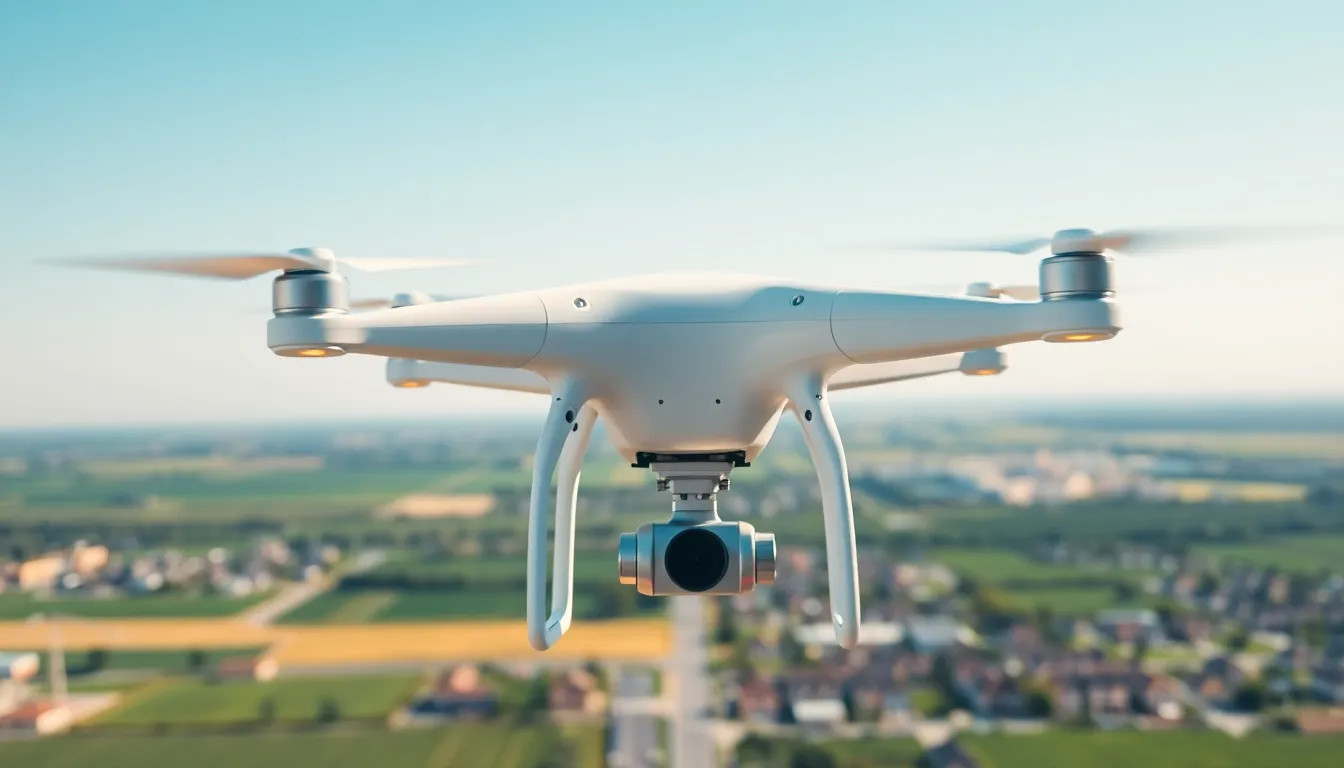
What is drones? This question has grown more relevant as unmanned aerial vehicles (UAVs) become part of everyday life. Drones are aircraft that operate without a human pilot onboard. They rely on remote control or autonomous flight systems to move through the air.
These flying machines have changed how people capture photos, deliver packages, and monitor crops. The drone industry is expected to reach $54 billion by 2030, according to industry reports. From hobbyists flying in local parks to companies inspecting power lines, drones serve countless purposes.
This guide explains how drones work, the different types available, their common uses, and the rules that govern them. Whether someone is considering their first drone purchase or simply curious about the technology, this article covers the essentials.
Table of Contents
ToggleKey Takeaways
- Drones are unmanned aerial vehicles (UAVs) that operate via remote control or autonomous flight systems without a human pilot onboard.
- The most common drone type is the quadcopter, which uses four rotors and a flight controller to achieve stable, controlled flight.
- Drones serve diverse purposes including aerial photography, agriculture monitoring, package delivery, search and rescue, and infrastructure inspection.
- In the US, drone pilots must pass required FAA tests and register drones weighing between 0.55 and 55 pounds.
- Most recreational drones fly for 20–30 minutes per charge and must stay below 400 feet altitude under FAA regulations.
- Always maintain visual line of sight, check airspace restrictions, and perform pre-flight safety checks before flying a drone.
How Drones Work
Drones operate through a combination of hardware and software systems. At their core, most drones use multiple rotors to generate lift and control movement. A quadcopter, the most common drone design, uses four rotors spinning in different directions to achieve stable flight.
The flight controller acts as the drone’s brain. This small computer processes input from sensors and the remote control to adjust rotor speeds. Accelerometers measure movement, while gyroscopes track orientation. GPS modules help drones know their exact position.
Most consumer drones connect to a handheld controller through radio signals. The controller sends commands for takeoff, landing, direction, and altitude. Many modern drones also link to smartphone apps that display live video feeds and flight data.
Batteries power the electric motors that spin the rotors. Flight time depends on battery capacity and drone weight. Most recreational drones fly for 20 to 30 minutes on a single charge. Professional drones often carry larger batteries or use fuel cells for extended missions.
Sensors play a critical role in drone safety. Obstacle detection systems use cameras or ultrasonic sensors to spot objects in the flight path. Some drones automatically stop or reroute when they detect barriers. Return-to-home features guide drones back to their starting point if signal is lost.
Types of Drones
Drones come in several categories based on their design and purpose. Understanding these types helps buyers choose the right drone for their needs.
Multi-Rotor Drones
Multi-rotor drones are the most popular consumer option. Quadcopters use four rotors, while hexacopters have six and octocopters have eight. More rotors generally mean more stability and lifting power. These drones hover easily and work well for photography and videography.
Fixed-Wing Drones
Fixed-wing drones look like traditional airplanes. They use wings instead of rotors to generate lift. This design makes them more efficient for long-distance flights. Surveyors and farmers often choose fixed-wing drones because they can cover large areas on a single battery charge. But, they need space to take off and land.
Single-Rotor Drones
Single-rotor drones resemble miniature helicopters. They use one large rotor for lift and a tail rotor for stability. These drones can carry heavier payloads than multi-rotor models. Construction and industrial inspection teams use them for tasks that require lifting specialized equipment.
Hybrid VTOL Drones
Hybrid vertical takeoff and landing (VTOL) drones combine features of multi-rotor and fixed-wing designs. They take off and land vertically like a quadcopter but fly horizontally like an airplane. This combination offers flexibility for commercial operations that need both hover capability and long range.
Nano and Mini Drones
Small drones weigh less than 250 grams. They fit in a palm and cost less than larger models. Many beginners start with these drones to learn flight basics. Some nano drones are used for indoor photography or even swarm research.
Common Uses for Drones
Drones serve practical purposes across many industries. Their ability to reach difficult locations and capture aerial views makes them valuable tools.
Photography and Videography
Filmmakers and photographers use drones to capture stunning aerial shots. Wedding videos, real estate listings, and travel content often feature drone footage. Professional camera drones carry high-resolution sensors and gimbal stabilizers for smooth video.
Agriculture
Farmers deploy drones to monitor crop health and spray pesticides. Multispectral cameras on agricultural drones detect plant stress before it becomes visible to the human eye. This data helps farmers make better decisions about irrigation and fertilization. Some estimates suggest drone use can reduce pesticide application by up to 30%.
Delivery Services
Companies like Amazon and UPS have tested drone delivery programs. Small packages travel directly to customers, bypassing traffic and reducing delivery times. Medical supply drones already deliver blood samples and medications in remote areas of Africa and other regions.
Search and Rescue
Emergency responders use drones equipped with thermal cameras to locate missing persons. Drones can cover terrain that would take ground teams hours to search. They also assess disaster damage without putting rescue workers at risk.
Infrastructure Inspection
Power companies and construction firms use drones to inspect bridges, towers, and pipelines. A drone can examine a cell tower in minutes rather than the hours required for a human climber. This approach saves money and improves worker safety.
Recreation
Millions of people fly drones as a hobby. Drone racing has emerged as a competitive sport with leagues and prize money. FPV (first-person view) goggles let pilots see from the drone’s perspective as they speed through obstacle courses.
Drone Regulations and Safety
Flying a drone comes with legal responsibilities. Governments worldwide have created rules to protect people and property.
In the United States, the Federal Aviation Administration (FAA) oversees drone operations. Recreational pilots must pass an aeronautical knowledge test called TRUST (The Recreational UAS Safety Test). Commercial operators need a Part 107 Remote Pilot Certificate, which requires passing a more detailed exam.
Most countries require drone registration. In the US, any drone weighing between 0.55 and 55 pounds must be registered with the FAA. Registration costs $5 and lasts three years. Owners must display their registration number on the drone.
Airspace restrictions limit where drones can fly. Pilots cannot operate near airports, stadiums during events, or over groups of people without special permission. Apps like B4UFLY help pilots check airspace rules for their location.
Altitude limits exist in most jurisdictions. The FAA caps recreational flights at 400 feet above ground level. This height keeps drones below the airspace used by manned aircraft.
Privacy concerns also affect drone use. Flying over private property to photograph residents could violate privacy laws. Many communities have local ordinances that add restrictions beyond federal rules.
Safe flying practices protect both the drone and bystanders. Pilots should maintain visual line of sight with their drone at all times. Pre-flight checks of batteries, propellers, and firmware help prevent mid-air failures. Checking weather conditions before flying prevents accidents caused by wind or rain.


