
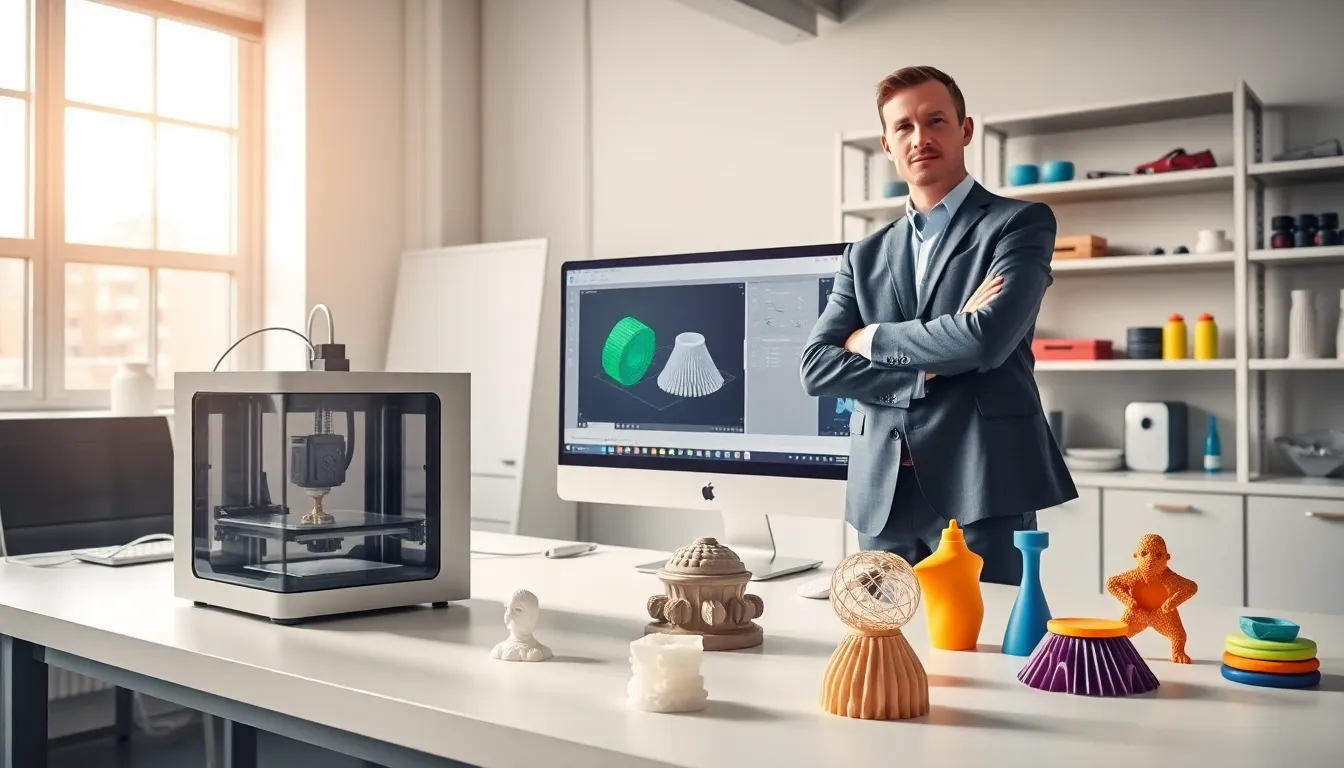
3D printing techniques have changed the way people create physical objects from digital designs. Whether someone is prototyping a new product, building custom parts, or exploring creative projects, understanding these methods matters. Each technique offers distinct advantages, and selecting the right one depends on the material, budget, and desired finish. This guide breaks down the most popular 3D printing techniques available today. It covers how each method works, what materials they use, and which projects suit them best.
Table of Contents
ToggleKey Takeaways
- 3D printing techniques build objects layer by layer, reducing waste and enabling complex shapes impossible with traditional manufacturing.
- FDM is the most common and affordable 3D printing technique, ideal for functional prototypes using materials like PLA, ABS, and nylon.
- SLA uses UV light to cure resin, producing the highest-detail prints perfect for jewelry, dental models, and projects requiring smooth surfaces.
- SLS fuses powdered nylon with lasers, creating strong end-use parts without support structures—best suited for professional and industrial applications.
- Choose your 3D printing technique based on required detail, mechanical strength, budget, and whether you prioritize appearance or functionality.
What Is 3D Printing?
3D printing, also called additive manufacturing, builds objects layer by layer from digital files. Unlike traditional manufacturing that cuts or drills material away, 3D printing adds material only where needed. This approach reduces waste and allows for shapes that would be impossible to machine conventionally.
The process starts with a 3D model created in CAD software or downloaded from online repositories. The software slices this model into thin horizontal layers. A 3D printer then deposits or solidifies material one layer at a time until the object is complete.
Different 3D printing techniques use different materials and processes. Some melt plastic filament. Others cure liquid resin with light. Still others fuse powder with lasers. Each method produces parts with unique characteristics in terms of strength, detail, and surface finish.
Today, 3D printing techniques serve industries ranging from aerospace and healthcare to fashion and education. Engineers print functional prototypes in hours instead of weeks. Surgeons practice procedures on patient-specific anatomical models. Hobbyists create custom figurines and replacement parts at home. The technology has become accessible enough that a quality desktop printer costs less than many smartphones.
Fused Deposition Modeling (FDM)
Fused Deposition Modeling, or FDM, is the most common 3D printing technique. It works by heating a thermoplastic filament and extruding it through a nozzle onto a build platform. The nozzle moves in precise patterns, depositing material layer by layer.
FDM printers use materials like PLA, ABS, PETG, and nylon. PLA is popular for beginners because it prints easily and doesn’t require a heated enclosure. ABS offers more durability and heat resistance but needs proper ventilation. Advanced users experiment with carbon fiber composites and flexible TPU.
This 3D printing technique excels at producing functional prototypes, jigs, fixtures, and end-use parts. The layer lines remain visible on finished prints, so FDM isn’t ideal for parts requiring smooth surfaces without post-processing. Sanding, chemical smoothing, or painting can improve appearance.
FDM printers range from budget models under $200 to industrial machines costing thousands. Entry-level printers work well for hobbyists and educators. Professional-grade FDM systems handle larger build volumes and more demanding materials.
The main advantages of FDM include low material costs, easy operation, and wide material selection. Its limitations include lower resolution compared to resin-based methods and visible layer lines on finished parts.
Stereolithography (SLA)
Stereolithography, known as SLA, uses ultraviolet light to cure liquid photopolymer resin into solid plastic. A laser traces each layer’s cross-section on the resin surface, hardening it precisely. The build platform then lowers, and the laser traces the next layer.
SLA produces some of the highest-detail prints among 3D printing techniques. Layer heights can reach as fine as 25 microns, creating smooth surfaces that require minimal finishing. This makes SLA ideal for jewelry, dental models, miniatures, and prototypes where appearance matters.
Resin materials offer properties ranging from standard rigid plastics to flexible, castable, and tough engineering grades. Dental and jewelry industries rely on specialized resins certified for their applications. Some resins simulate the properties of ABS or polypropylene.
SLA prints require post-processing. Users must wash parts in isopropyl alcohol to remove uncured resin, then cure them under UV light to achieve full strength. This adds time and requires safety precautions, as uncured resin irritates skin.
Desktop SLA printers have become affordable, with quality machines available for under $300. Industrial SLA systems produce larger parts with exceptional accuracy for professional applications. The trade-off is higher material costs compared to FDM and the need for careful handling of resins.
Selective Laser Sintering (SLS)
Selective Laser Sintering, or SLS, uses a high-powered laser to fuse powdered material into solid structures. The powder bed supports the part during printing, eliminating the need for support structures that other 3D printing techniques require.
SLS primarily uses nylon (polyamide) powders, though glass-filled and carbon-fiber-reinforced variants exist. The resulting parts have excellent mechanical properties. They’re strong, slightly flexible, and suitable for functional applications.
This 3D printing technique stands out for producing parts ready for end use. The self-supporting nature of the powder bed allows complex geometries and interlocking assemblies printed in a single build. Aerospace, automotive, and medical device manufacturers use SLS for production parts.
SLS machines are expensive. Entry-level systems start around $10,000, while industrial machines cost significantly more. The powder handling and post-processing requirements make SLS less accessible for hobbyists. Professional service bureaus offer SLS printing for those who need occasional parts.
Parts from SLS have a slightly grainy surface texture. They can be dyed, coated, or smoothed for improved appearance. The combination of mechanical strength and design freedom makes SLS a preferred choice for functional prototypes and low-volume manufacturing.
Choosing the Right Technique for Your Project
Selecting among 3D printing techniques depends on several factors: required detail, mechanical properties, budget, and production volume.
For quick prototypes and functional parts at low cost, FDM delivers solid results. It handles large parts well and offers the widest range of accessible materials. If visible layer lines are acceptable, or if post-processing is planned, FDM makes practical and economic sense.
Projects demanding fine detail and smooth surfaces benefit from SLA. Jewelry designers, miniature painters, and dental labs choose SLA for its precision. The added post-processing steps are worth the superior finish quality.
SLS suits applications requiring strong, functional parts without support structures. The ability to nest multiple parts in a single build makes it efficient for batch production. Its higher cost limits SLS to professional users and production applications.
Budget also plays a role. FDM printers and materials cost the least. SLA machines have become affordable, though resin costs add up. SLS remains an investment suited to businesses with ongoing production needs.
Consider the end use. A decorative piece might prioritize appearance over strength. A mechanical bracket needs durability above all. Matching the 3D printing technique to these requirements ensures successful outcomes.


