
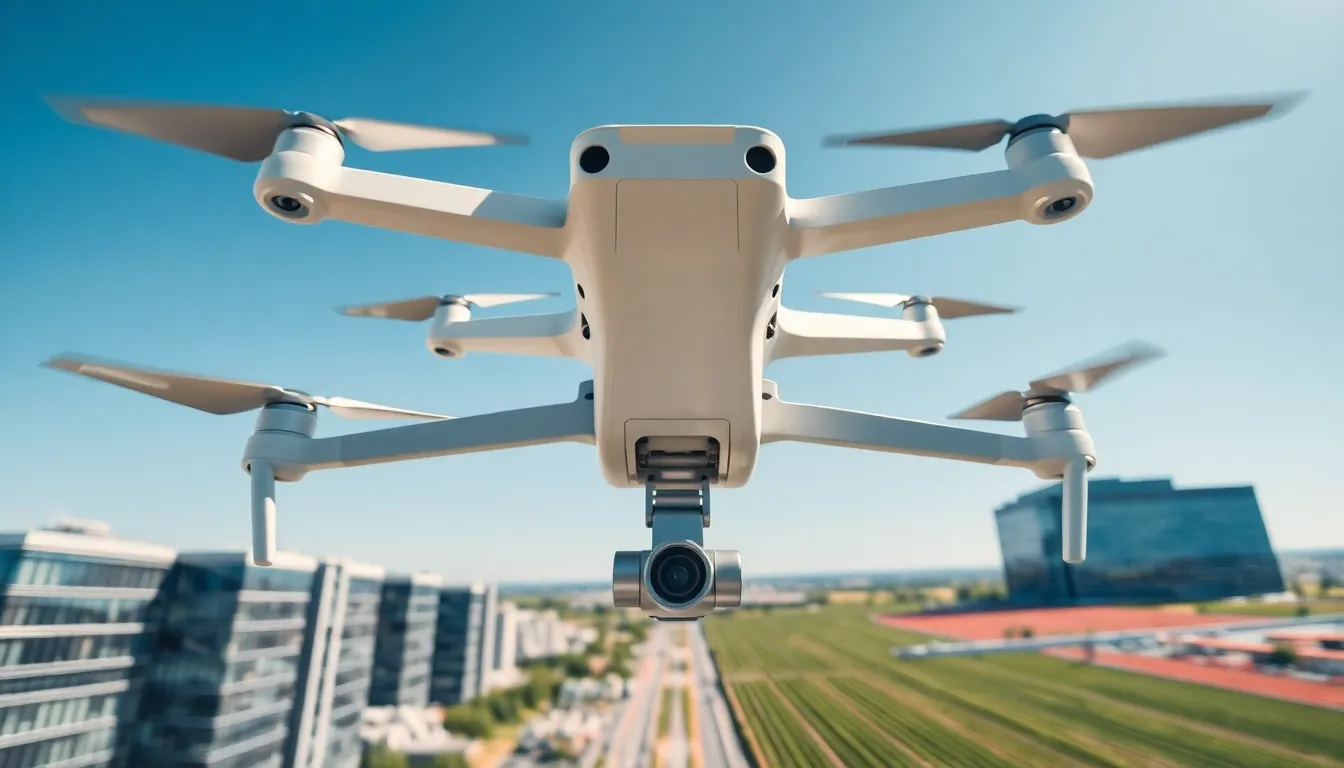
Drones examples span nearly every industry today. From hobbyist quadcopters to military surveillance aircraft, unmanned aerial vehicles (UAVs) have moved far beyond novelty status. They now deliver packages, monitor crops, inspect infrastructure, and save lives during search-and-rescue missions.
The global drone market reached $30.6 billion in 2024 and continues to grow. This growth reflects how businesses, governments, and individuals find new ways to use these versatile machines. Whether someone flies a $50 toy drone in their backyard or a company deploys a $50,000 industrial UAV, drones examples demonstrate remarkable technological progress.
This article explores the most common drones examples across six categories. Each section highlights specific use cases, popular models, and the industries these aircraft serve.
Table of Contents
ToggleKey Takeaways
- Drones examples span six major categories: consumer, commercial, military, agricultural, environmental, and delivery applications.
- Consumer drones like the DJI Mini 4 Pro have democratized aerial photography, making professional-quality footage accessible for under $500.
- Commercial drones reduce costs and increase safety by inspecting infrastructure, surveying construction sites, and supporting film production.
- Agricultural drones detect crop stress early and spray pesticides with up to 30% less chemical usage than traditional methods.
- Delivery drones from companies like Wing and Zipline already operate in select markets, with the industry projected to reach $31 billion by 2030.
- The global drone market reached $30.6 billion in 2024, reflecting widespread adoption across industries and governments.
Consumer and Recreational Drones
Consumer drones represent the most accessible category of drones examples. These devices let hobbyists capture aerial photography, race through obstacle courses, and simply enjoy flight.
Popular Consumer Drone Models
The DJI Mini 4 Pro stands out as a top choice for beginners and experienced pilots alike. It weighs under 250 grams, which means operators don’t need FAA registration in the United States. The camera shoots 4K video and captures 48MP photos.
The DJI Mavic 3 Classic offers professional-grade features at a consumer price point. Its Hasselblad camera system produces stunning images. Battery life reaches 46 minutes, impressive for any consumer drone.
For racing enthusiasts, the DJI Avata 2 provides an immersive first-person view experience. Pilots wear goggles and feel like they’re actually flying through the air.
Common Recreational Uses
Hobbyists use consumer drones examples for:
- Aerial photography and videography: Capturing vacation footage, real estate listings, and family events
- Drone racing: Competing in organized leagues or informal backyard courses
- Nature observation: Watching wildlife from a distance without disturbing animals
- Social media content: Creating unique perspectives for YouTube, Instagram, and TikTok
The recreational drone market has democratized aerial imaging. Activities that once required helicopters and professional crews now need only a $500 drone and a smartphone.
Commercial and Industrial Applications
Commercial drones examples show how businesses use UAVs to increase efficiency and reduce costs. These aircraft perform tasks that would otherwise require expensive equipment or put workers in dangerous situations.
Construction and Infrastructure Inspection
Construction companies use drones to survey job sites, track progress, and create 3D models of buildings. The DJI Matrice 350 RTK provides centimeter-level accuracy for mapping and surveying applications.
Infrastructure inspectors fly drones along bridges, power lines, and cell towers. This approach eliminates the need for workers to climb structures or companies to rent helicopters. A single drone operator can inspect in one day what previously took a team one week.
Film and Media Production
Hollywood has embraced drones examples for cinematography. Films like “Skyfall” and “The Wolf of Wall Street” featured drone footage. The Freefly Alta X carries cinema-grade cameras and captures shots impossible with traditional equipment.
News organizations deploy drones for breaking news coverage. They provide aerial views of traffic accidents, natural disasters, and public events without risking reporter safety.
Mining and Energy
Mining companies use drones to map quarries, measure stockpiles, and monitor operations. Energy firms inspect wind turbines, solar panels, and oil rigs with specialized UAVs. These drones examples reduce downtime and maintenance costs significantly.
Military and Defense Drones
Military drones examples range from small reconnaissance units to large armed aircraft. Defense organizations worldwide invest heavily in UAV technology for surveillance, combat, and logistics.
Reconnaissance and Surveillance
The RQ-4 Global Hawk operates at altitudes above 60,000 feet and can stay airborne for over 30 hours. It provides real-time intelligence, surveillance, and reconnaissance data across vast areas.
Smaller systems like the AeroVironment Raven serve infantry units. Soldiers can launch these hand-thrown drones to see what’s over the next hill or around the corner of a building.
Combat Drones
The MQ-9 Reaper represents one of the most well-known combat drones examples. It carries precision-guided munitions and has transformed military operations since its introduction. Pilots control these aircraft from bases thousands of miles away.
The Turkish Bayraktar TB2 gained international attention during recent conflicts. Its relatively low cost and effectiveness changed how militaries think about drone warfare.
Defense Industry Growth
Military drone spending reached $14.5 billion globally in 2024. Countries continue developing autonomous systems, swarm technology, and counter-drone capabilities. These drones examples will shape warfare for decades to come.
Agricultural and Environmental Monitoring Drones
Agricultural drones examples help farmers increase yields while reducing resource usage. Environmental scientists use similar technology to monitor ecosystems and track climate change impacts.
Precision Agriculture
Farmers deploy drones with multispectral cameras to assess crop health. These sensors detect plant stress before it becomes visible to the human eye. Early intervention saves entire fields from disease or pest damage.
The DJI Agras T40 sprays pesticides and fertilizers with precision. It covers 50 acres per hour and uses up to 30% less chemicals than traditional methods. This efficiency saves money and reduces environmental impact.
Livestock operations use drones to monitor herds across large ranches. A single flight can locate missing animals and check on herd health.
Environmental Applications
Conservationists track wildlife populations using thermal imaging drones. They count animals in dense forests and monitor migration patterns without disturbing the subjects.
Forestry services detect wildfires early with infrared-equipped drones examples. These aircraft patrol vulnerable areas and alert crews before small fires become catastrophic.
Marine biologists study whale populations and coral reef health from above. Drones provide data that would require boats, divers, or aircraft to collect otherwise.
Delivery and Logistics Drones
Delivery drones examples represent one of the most anticipated commercial applications. Companies like Amazon, UPS, and Walmart have invested billions developing drone delivery systems.
Current Delivery Programs
Wing, a subsidiary of Alphabet, operates commercial drone delivery in parts of Texas, Virginia, and Australia. The service delivers small packages from local businesses directly to customer homes. Delivery times average under 10 minutes.
Amazon Prime Air launched limited service in select markets in 2024. The MK30 drone delivers packages weighing up to 5 pounds within a 7.5-mile radius of fulfillment centers.
Zipline has delivered over 1 million medical supplies via drone in Rwanda, Ghana, and now the United States. Their fixed-wing drones drop packages via parachute and can travel up to 100 miles round-trip.
Challenges and Future Outlook
Regulatory hurdles slow widespread drone delivery adoption. The FAA requires operators to maintain visual line of sight in most cases. Beyond visual line of sight (BVLOS) approvals remain difficult to obtain.
Weather limitations affect drone operations. High winds, rain, and extreme temperatures ground most delivery drones examples.
Even though these challenges, analysts project the drone delivery market will reach $31 billion by 2030. As regulations evolve and technology improves, expect to see more drones overhead carrying your next package.


